Translate

Tuesday, 23 December 2014

LAVA launches It's first Windows phone LAVA IRIS WIN 1

Lava International has launched its first Windows smartphone, Iris Win1, for Rs. 4,999, which will be available exclusively on e-commerce portal Flipkart from December 4, a company statement said.
The Lava Iris Win1 sports a 4-inch display with a resolution of WVGA pixels.  The Iris Win1 runs on 1.2 Ghz Qualcomm Snapdragon Quad Core Processor and is powered by 1 GB RAM. It comes with 8 GB of internal storage, which you can expand up to 32 GB.
There’s a 5MP main camera with auto focus and an LED flash along with a 0.3 MP front camera. The Iris Win1 runs on Windows 8.1 – the latest offering from Microsoft. In terms of the connectivity, the phone supports two SIMs (3G+2G), Wi-Fi, Bluetooth, GPS and USB Connectivity.
It is powered by a 1950 mAh Li-Ion battery. The phone comes with a Flip Cover and a screen guard along with other standard accessories including a charger, earphones, and a USB cable.
“The Iris Win1 will be available to Indian consumers exclusively on Flipkart,” said Navin Chawla, vice president and head-product, Lava International Limited. The new device will be among the many smartphones available for purchase only via an online channel.
Specification
M / HSPA2G bandsGSM 850 / 900 / 1800 / 1900 - SIM 1 & SIM 23G bandsHSDPA 900 / 2100SpeedHSPA 21.1/5.76 MbpsGPRSYesEDGEYesLAUNCHAnnounced2014, DecemberStatusAvailable. Released 2014, DecemberBODYDimensions125 x 64.3 x 11 mm (4.92 x 2.53 x 0.43 in)Weight-SIMDual SIM (Mini-SIM, dual stand-by)DISPLAYTypeCapacitive touchscreen, 16M colorsSize480 x 800 pixels, 4.0 inches (~233 ppi pixel density)MultitouchYesPLATFORMOSMicrosoft Windows Phone 8.1ChipsetQualcomm Snapdragon 200CPUQuad-core 1.2 GHzMEMORYCard slotmicroSD, up to 32 GBInternal8 GB, 1 GB RAMCAMERAPrimary5 MP, 2592 Ñ… 1944 pixels, autofocus, LED flashFeaturesGeo-tagging, panoramaVideoYesSecondaryVGASOUNDAlert typesVibration; MP3, WAV ringtonesLoudspeakerYes3.5mm jackYesCOMMSWLANWi-Fi 802.11 b/g/n, Wi-Fi Direct, hotspotBluetoothv3.0, A2DPGPSA-GPSRadioFM radioUSBmicroUSB v2.0FEATURESSensorsAccelerometer, proximityMessagingSMS (threaded view), MMS, Email, Push Email, IMBrowserHTML5JavaNo - OneDrive (15 GB cloud storage)
- MP3/WAV/eAAC+/WMA player
- MP4/H.264/WMV player
- Document viewer
- Video/photo editorBATTERY Li-Ion 1950 mAh batteryStand-by

How To Restore IMEI of Any MT65XX Android Smartphone 

A large portion of Android device users like to tinker with their devices, they like deleting unneeded items and files, they like rooting their phones, and installing customs ROMs that appeal to them. Thanks to the open source nature of the operating system. Although these activities are not recommended by smartphone manufacturers, but nonetheless, its being done.
While these tinkering activities can end up well bringing smiles, it can equally also go wrong. One of the things that can happen is a corrupted IMEI profile that can happen either while flashing custom or stock ROM.
Have no fear, the procedure below can fix that IMEI error with the help of MTK Droid Tools. Just follow the steps below one after the other.
Needed Items
Root access on the phoneMTK Droid Tool: Download hereYour IMEI Number, usually written at the back of the phone when batteries are removed or at the pack of the phoneAndroid ADB drivers, depending on the phone you are using but there is a universal version:Download here
Procedures
1. Extract the MTK droid tools you downloaded. It would be extracted to the same folder the zipped file was except you change the location. On extraction, you would get a "MtkDroidTools" folder.
2. Open the folder and click on MTKdroidTools.exe to launch it
3. Install the ADB drivers if it has never been installed on the computer before. Connect the phone into the computer. On connecting, it would be identified with phone's information displayed. IMEI would be displayed too if its not having issues. But if an issue is present with the IMEI, it would be missing.
4. Now click on the ROOT button at the bottom right of the page. This button would be greyed out if the phone wasn't already rooted. So you really need to root your phone before you begin the process. Root access is needed for the tool to run scripts.
5. It will ask if you want to 'receive root shell through already established SU', just click 'Yes'.
Once that has been done, click on the 'IMEI/NVRAM' tab close to the IMEI part.
On clicking 'IMEI/NVRAM', the window below would appear. 
You would need to type in your IMEI number as seen from your phone case or inside the phone and then click on Replace IMEI.
6. You would be asked if you want to replace your IMEI, click Yes and then another window will tell you that 'changes will come into force after reset'. Click OK and then reboot your phone.
7. After reboot, your IMEI error should have been fixed and you are good to go. You should also backup your IMEI next time before you carry out any modding or flashing on  your phone.

Monday, 11 August 2014

Android L - will my phone get the update?

Our predictions of which phones will see the next version of Android

Look at the phone in front of you. You probably love it, and chances are it's one of the most used items you own. It's OK to be a little attached to it, and it's a great idea to keep it as long as you can instead of spending money on each and every new thing that comes along.

We know that's not always easy. Soon, we're going to start hearing more and more about Android L, how great it does something, or how cool some new feature looks. You're going to want Android L on the phone in your hands. Not that you need it, and nothing that your phone does today will stop working just because there's a new version of Android. Still, as Android fans, we justgotta have it.

For some of us, that means a new phone. Still hanging on to that Galaxy S3? Yeah,you're upgrading or rooting and romming. For others, getting Android L is a given — the Nexus 5 and most of the Google Play devices will have it in short order after it rolls out sometime later this year. But for most of us, we get to speculate and talk about it a little bit.

Let's talk.

Google devices

This means Nexus phones (and tablets) and Google Play edition devices. These are your best bet to not only get Android L, but get it without waiting for manufacturers and carriers to jump in and fill it with apps and features you never will use and didn't want in the first place.

It's also pretty easy to guess which of these devices will see Android L and which won't.

The Nexus 5 is a lock. You can try out the "L Preview" on it right now if you're bold and have enough time to set everything up — and set it back up again when you realize that the L Preview is no where ready for daily use.

I'm going to say that all of the Google Play edition phones — includng the ones that were discontinued — will see Android L.

I'm also predicting that the sexiest phone ever made — the Nexus 4 — will not get Android L. And that makes me sad. I hope I'm wrong, but it's going to be two years old. That's a lifetime in the tech industry.

On the tablet side, expect the Nexus 7 2013 and the LG G Pad Google Play edition to see an update. The 2012 tablets aren't going to get any L loving. Poor, poor Nexus 10. You were revolutionary as well as fabulous.

HTC devices
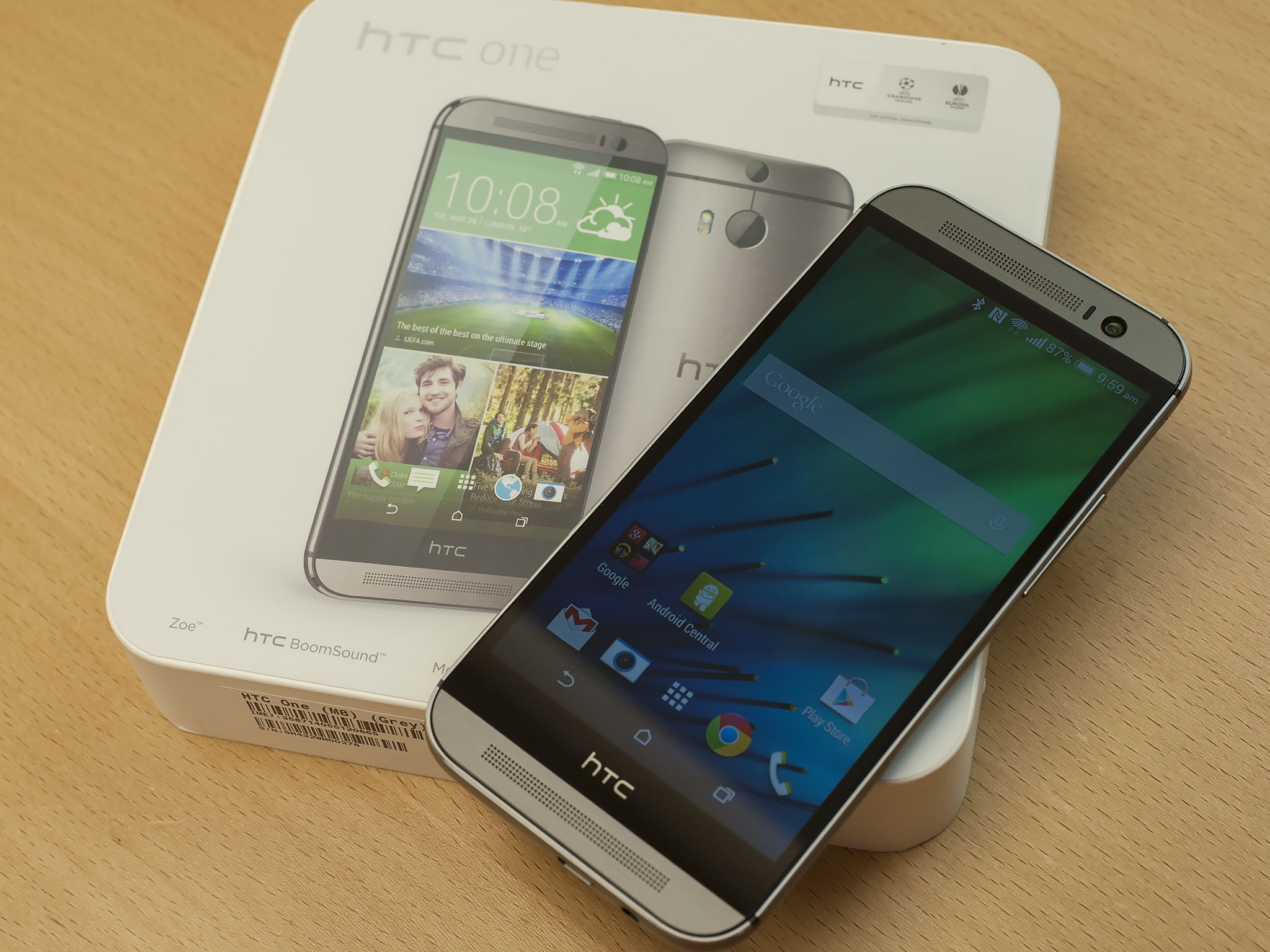
If you draw a timeline of HTC phones, put a mark when the HTC One M7 was released. Everything later will see Android L. Everything earlier probably won't. HTC has basically said as much, and it makes sense if you look at it objectively. HTC just doesn't have the resources to update earlier phones like the Rezound.

Nobody has to like it. If you bought a Rezound or one of the HTC Butterfly phones, you know you spent top-dollar on a high-end phone that didn't get the updates it should have. HTC has clearly defined policies about updates going forward, but those went into effect after you bought your phone. And of course, adding a healthy portion of Verizon into the mix doesn't help anything.

None of this changes anything, though. If you bought an HTC phone released before the HTC One M7, I'm pretty sure you won't be getting any Android L updates.

LG devices
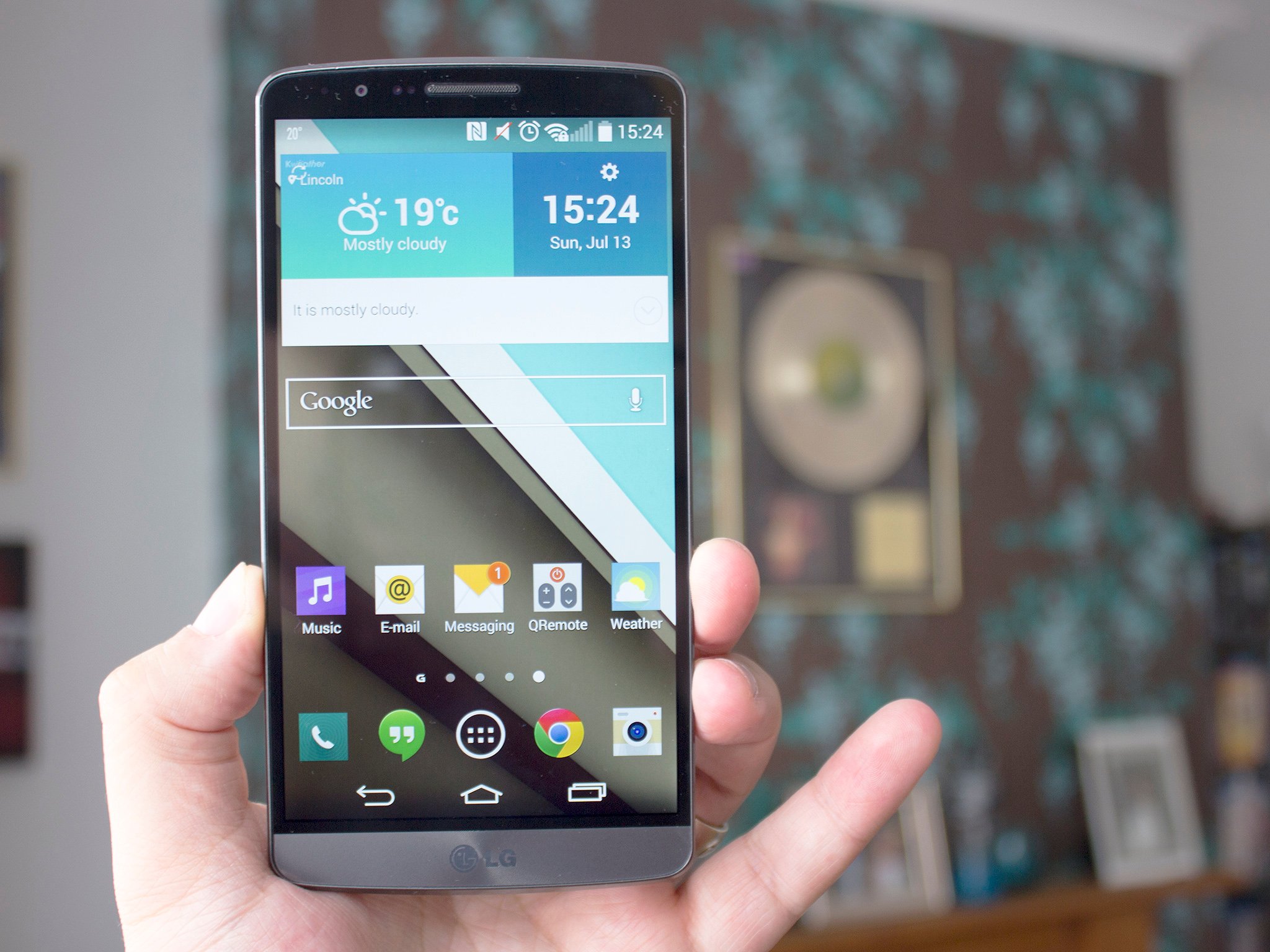
The part of me that's been burned by LG's track record of updating phones says my G2 will never see Android L. TheG3 will, but phones like the G Flex or the Optimus Pro 2 or my lovely little G2 may never see any new version of Android. LG hasn't said anything official, but that really doesn't mean too much.

But LG seems different as of late. They are making great phones, have improved their own software at least a thousand-fold, and are taking thing more seriosuly. This gives me some hope.

Since I have to make a prediction, I'll say the LG G3 and non-US versions of the G2and G Flex will see a timely update. Nothing released sooner, and nothing a little lower on the "premium" scale. Carrier versions of the G2 and G Flex are going to depend on the carrier. And that scares me.

Prove me wrong, LG. Please.

Motorola devices
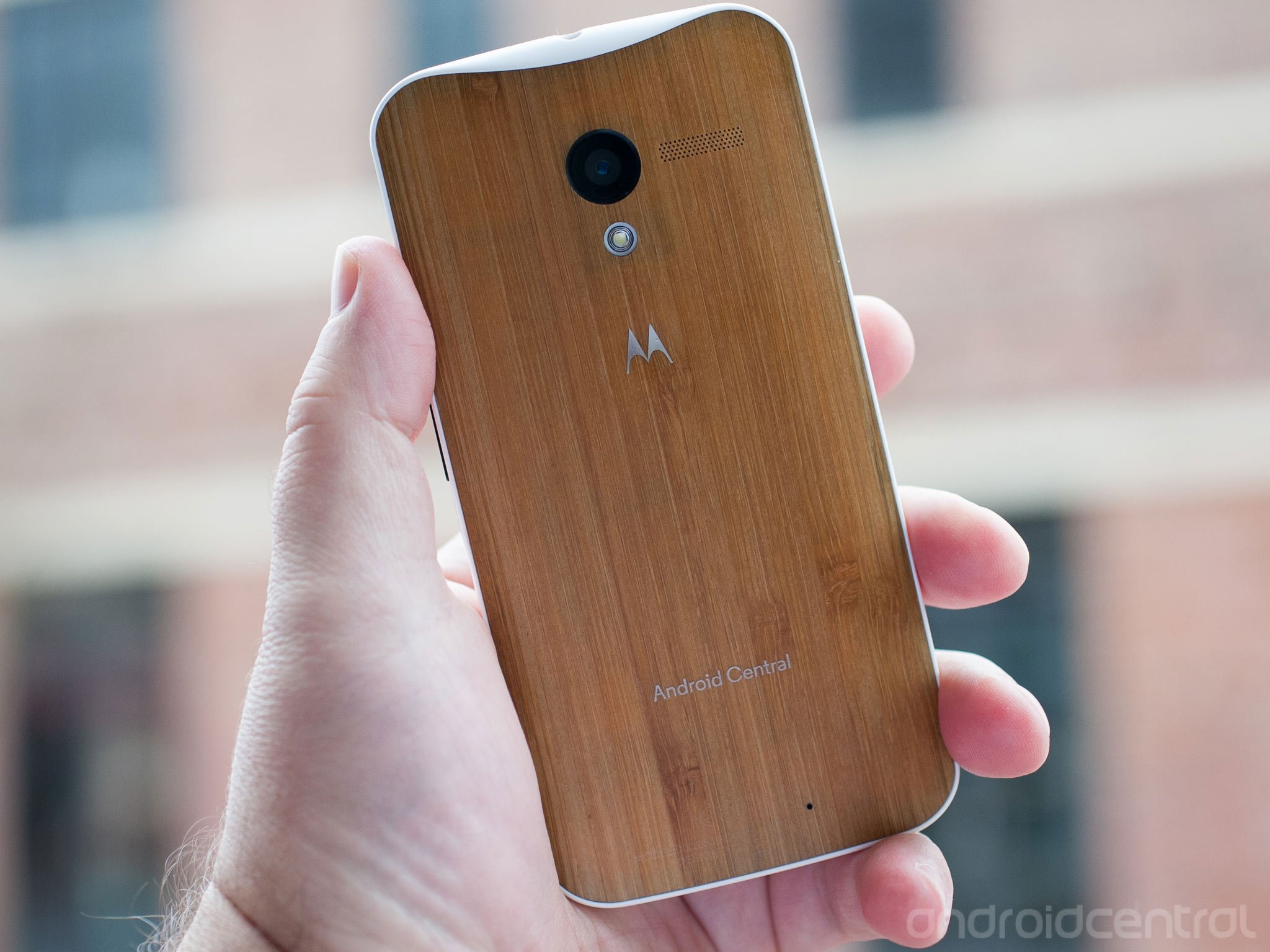
Motorola has already said the Moto X, the Moto G and the Moto E will see Android L. We expected that the new Lenovo-fied management would keep the same pace in updating phones that the Google-led team did, and they pass the first test. We're pretty sure this includes the 2013 Verizon Droids, too.

Unfortunately, nothing else built by Motorola will see any updates. Moto seemed happy to abandon their old models, even when they weren't that oldcough Droid Razr Maxx HD cough. None of those phones are going to see any updates. Motorola isn't going to spend the time or money, and neither is Verizon or AT&T or Sprint or anyone else. It's almost like there should be an Island of Misfit Phones.

Moto's been through a tough patch where they weren't making any money, and nobody seemed to want to buy their phones. I think part of their strategy to break out of that mold involves simple software that easy to update quickly. Expect to see Android L on a Moto phone very shortly after the release.

Samsung devices
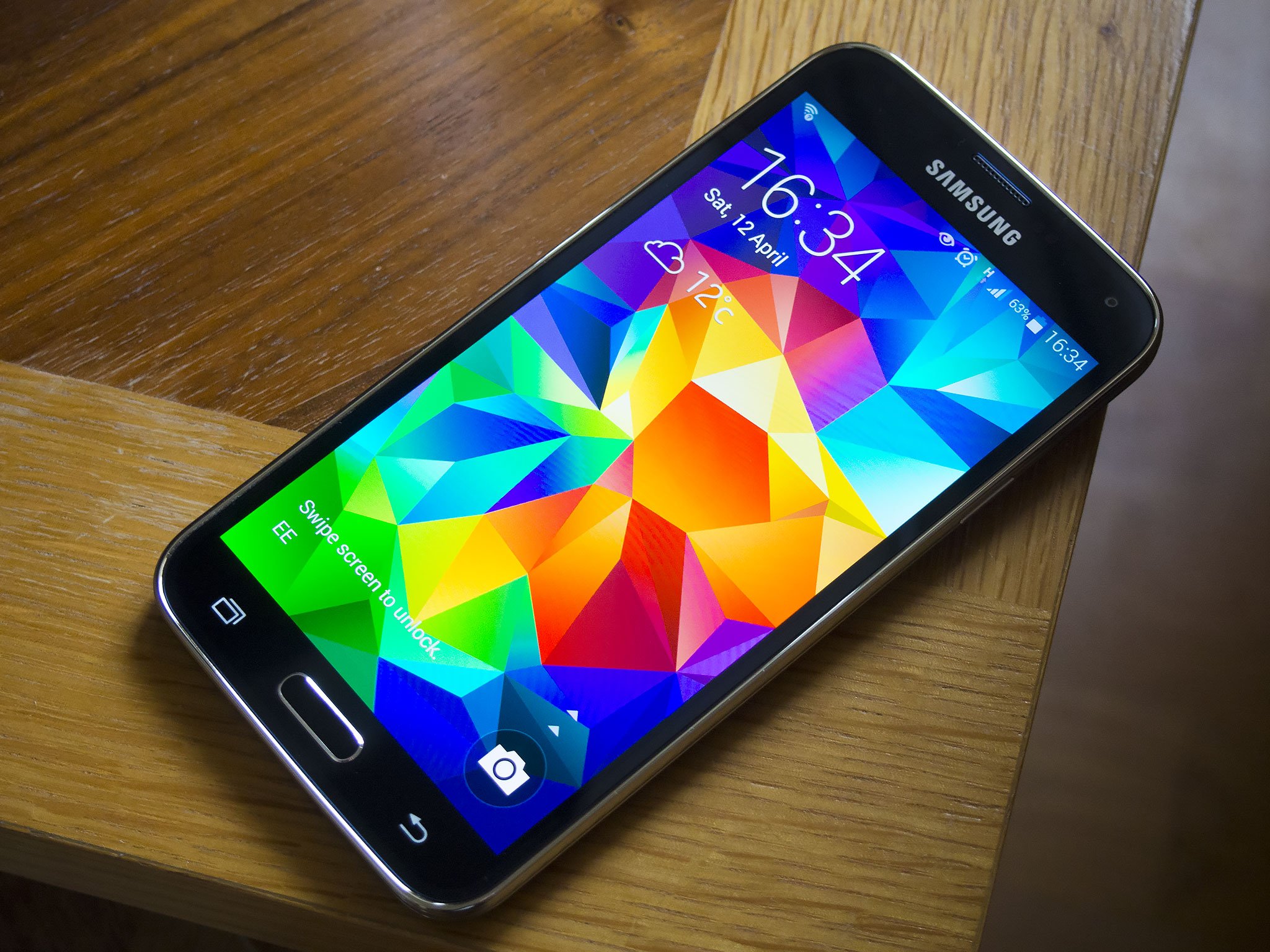
This one's easy. The Galaxy S5, andGalaxy Note 3 will get updated to Android L as fast as Samsung is able to update them. The Galaxy S4 will follow shortly after, and then Samsung is basically done. The few high-end devices that weren't sold in the west will probably see an update, but none of us have them and nobody can guess when.

Samsung's mid-range and low-end devices will sit at whatever version they are on now until they stop working. Love it or hate it, that's part of Samsung's strategy — push out a ton of new cheap devices every year to be used as "feature-phone" replacements. Maybe phones like the Moto G and E or Nokia Lumias will change this, but not this year.

More importantly is how Samsung will alter Android L to continue to offer the things people love them for offering. They weren't able to do so with KitKat and the SD card, but they will do everything they can to keep users happy and buying Samsung products. Samsung's version of Android L will be amazing if you're a Samsung fan, but it might take a couple extra updates to get it sorted, because we all want it right now instead of when it's ready. I'm looking forward to seeing what they can do and how they will work the new design language into their software.

On the tablet side, I think things are pretty clear-cut. The Galaxy Tab 4 will see Android L, as will the Pro and Tab Slines they introduced this year. Don't look for an update on anything older, and if it happens nobody will be happier than I am. Sometimes, I love being wrong.

Sony devices
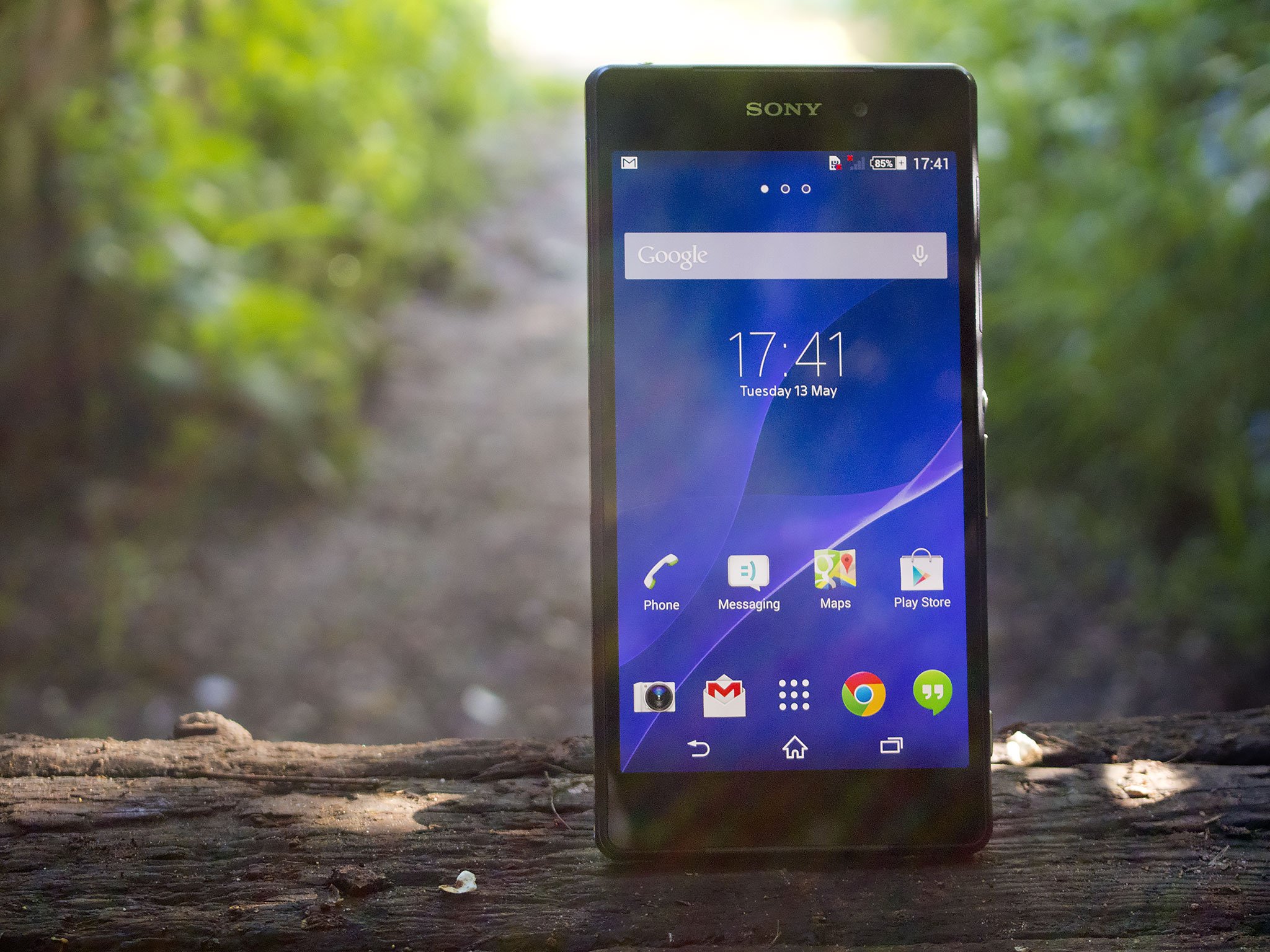
Nobody wants to update their gear to the next version of Android more than Sony does. They are big contributers to AOSP, and have a really good relation with developers. They just always seem to have one issue or another. Updating software when part of it is out of your control is hard. Sony really does try harder than anyone else, they just aren't ever very lucky.

Having said that, look for an Android L update for the Xperia Z1Xperia Z2 and the upcoming Xperia Z3. The compact versions, and carrier versions, too. Other phones are a total crapshoot. Sony will do everything they can, but as we've seen, often that's not enough. I'll repeat myself — nobody wants to update to Android L more than Sony does.

The same thing goes for their tablets. The latest models will find a way to get an Android L update, but anything made earlier than mid-2013 is too unpredictable to predict.

The best news is that Sony works well with the guys who love to do things like write kernels or try to shoehorn unofficial software onto unlocked devices. No matter which Xperia phone you have, someone is going to try their damndest to get Android L on it and share their work.

Everything else
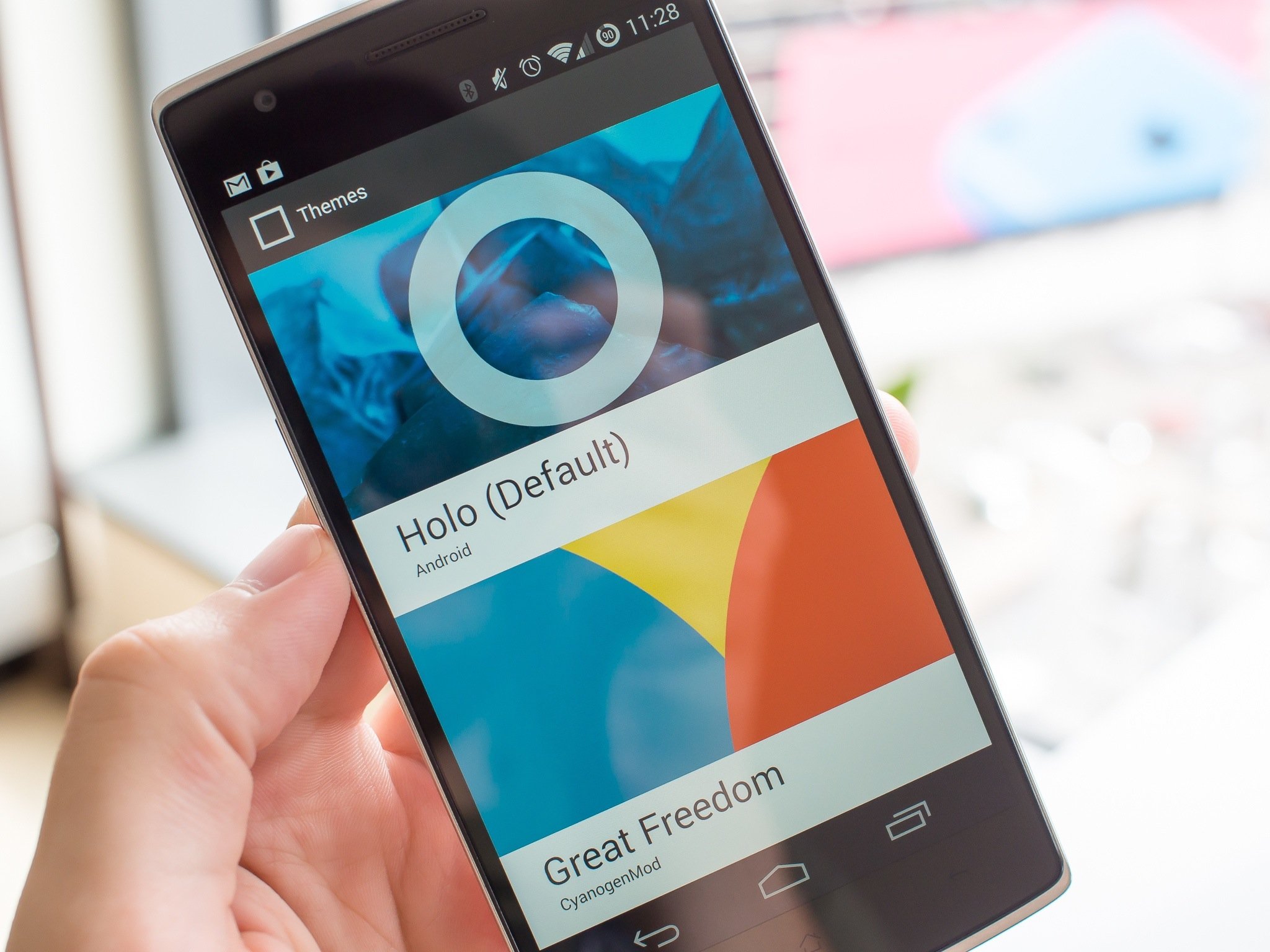
What about my Oppo Find 5?!? The truth is, we mostly have no idea. Some companies, like OnePlus, have said they will be updating to Android L in a timely fashion, others are mostly silent. You can bet these companies are all looking at what it will take to update their late-model devices to Android L, but the cost-benefit — both in time and money — has to be there. Companies like Samsung have a whole team who writes and builds software for their Android devices. I imagine they work long hours without sunlight and fresh air, and we don't appreciate the difficult job they do. ButHiSense probably doesn't have such a team. Companies like ASUS are vested in Android, but as mentioned the benefit of updating has to outweigh the cost.

If you're device was well built and popular, you can hope for an update. Some companies, like NVIDIA, can afford to work harder at it than others can. There is just no guarentee that it will happen.

Remember, your phone or tablet will still work just like it did before Android L was announced, and what Google is doing with things like Play Services and pulling apps out of the OS and into Google Play means that you don't always need a full OS update to enjoy new features.

And finally, remember this is our best educated guess about what's going to happen. We've been through this a few times, and feel we've got a good handle on how manufacturers and carriers think (or don't think) when it comes to updating devices. We wish we could say "Android L for everybody!" but we know we can't. That's not how Android works.

Xiaomi phones send user data to remote servers: F-Secure

NEW DELHI: Chinese smartphone brand, Xiaomi is creating a lot of buzz with its economically priced, premium smartphones that are known to sell out in minutes or even seconds. The company has become one of the leading handset sellers in the world displacing Samsung in its home market for the numero uno position.
However, of late there have been reports that Xiaomi phones silently send users data to remote servers. The latest charges come from security software and solutions company F-Secure, which tested Xiaomi's Redmi 1S phone.
At first, F-Secure did not configure an Mi Cloud (Xiaomi's equivalent of Apple's iCloud that stores user data) account and simply inserted a sim card, connected the phone to Wi-Fi, turned on GPS, added a contact and made and received a call and exchanged messages. The company found that the phone number of contacts added to the phone book and from SMS messages received were also forwarded. The phone follows a similar pattern even when one configures an Mi Cloud account.
"Next we connected to and logged into Mi Cloud, the iCloud-like service from Xiaomi. Then we repeated the same test steps as before. This time, the IMSI details were sent to api.account.xiaomi.com, as well as the IMEI and phone number," writes F-Secure in its blog.
Earlier, responding to privacy concerns, Xiaomi VP Hugo Barra had posted an FAQ on his Google+ page, clarifying that MIUI, the software interface used by Xiaomi phones, does not secretly upload photos and text messages. He wrote that MIUI requests public data from Xiaomi servers from time to time but it is all non-personal data that does not infringe on users privacy. The post claimed that Xiaomi does not upload users' personal data without consent and only backs it up if Mi Cloud is turned on.
However, there's a slight conflict in the company's privacy policy and Barra's post. Xiaomi clearly mentions in its Privacy Policy document, "When you use and activate Xiaomi mobile devices for the first time, the mobile user identification information, mobile device unique identification and the location information of your device will be sent to Xiaomi. The collection of such information may apply to the updates of your system or software, recovery of factory settings or situations like before."
It also clearly states, "When you use Xiaomi products to share information with your family and friends, to send messages and products or invite other person through Xiaomi BBS, we(Xiaomi) will collect the information which you provide and is relevant with such people, for example name, mail address and telephone number and so on."
This implies that Xiaomi is collecting data from users without their consent, even if they don't sign-up for Mi Cloud.
According to Xiaomi, this information helps the company to improve products, for customization, updates, and for statistical purposes 'to analyze the efficiency of its business.' It mentions that the information is not used for tracking the location of the user.

Sunday, 10 August 2014

Acer Iconia A1-830 with 7.9″ Display, Voice Calling & iPad Air Looks at Rs. 11, 299 

Acer Iconia A1-830 Android tablet is the latest addition in the Acer’s tablet family. Recently one of the famous companies had revealed that there is a downfall in the uptake of android tablets, all thanks to the ever growing list of phablets which are being purchased more than compared to the tablets. So let’s check out on what are the detailed list of specs and features of this smartphone which comes with the looks of an iPad Air along with the decent specs.

Specs and Features of Acer Iconia A1-830:
Acer Iconia A1-830 Android device comes with the 7.9 inches of screen size along with the LED IPS display powered by backlit. In terms of processor, this device comes with the 1.6 GHz dual-core Intel Atom Z2560 processor with PowerVR SGX544 GPU. Along with the 8.15mm of thickness, this device also comes with the 380gms of weight. With a 5MP of rear facing camera along with the 1080p recording capability, this device also comes with the 2MP of front facing camera. In terms of memory, this device comes with the 1GB of RAM, 16GB of internal memory which can be expanded up to 32GB. This device also comes with the other standard features like WiFi 802.11 b/g/n, Bluetooth 3.0, GPS along with the 3.5mm headset audio jack. So let’s check out on what are the detailed list of specs and features below;

7.9 inches of screen size along with LED backlit IPS Display,1.6 GHz dual-core Intel Atom Z2560 processor,PowerVR SGX544 GPU,5MP rear facing camera with 1080p recording,2MP front facing camera with 720p recording,1GB RAM,16GB internal memory,Expandable memory card slot of 32GB,WiFi 802.11 b/g/n, Bluetooth 3.0, GPS,4000mAH Battery

Price and Availability:
Acer Iconia A1-830 comes in white color option along with the Sliver black. This device comes with the price tag of Rs. 11,299 and will be available for purchase from flipkart. This device also comes with the Sennheiser HD 180 Headphone and 1year subscription of India Today digital magazine.

Thursday, 7 August 2014

Karbonn A1+ and Karbonn A5 Turbo Android Phone with Kitkat 4.4 Android OS – Details

Karbonn Mobiles have announced the launch of 2 new smartphones in its family which are dubbed as A1+ Super and A5 Turbo which are placed in the budget segment. There are the 2 entry level smartphones priced at sub Rs. 4,000 level which comes with the Value specs and features. While Google is betting on sub $100, Indian market is a market where even sub $50 smartphones matter a lot and constitute one of the largest market share. So let’s check out on what are the specs and features of this new smartphone.

Specs and Features of Karbonn A1+ Super:

Karbonn A1+ Super comes with the 3.5inches of screen size having the resolution of 320 x 480p and also come with the Dual Sim card slot. Powered with the 1.3GHz of Dual Core processor, this device also comes with the WiFi, 3.5mm headset audio jack, Bluetooth and GPS capabilities. With a 3MP front facingcamera, this device also comes with the 0.3MP of front facing camera. Packed with the 256MB RAM, this device comes with the Kitkat 4.4 Android OS and 512MB of internal memory which can be expanded up to 32GB. In terms of battery power, this device comes with the battery life of 1250mAH power. We have also summed up the detailed list of specs and features below;

3.5” Display,1.3GHz of Dual Core processor,256MB RAM,512MB internal memory, expandablememory card slot,Kitkat 4.4 Android OS,3MP front facing camera,0.3MP rear facing camera,320 x 480p Resolution,Dual Sim card slot,WiFi, 3.5mm headset audio jack, Bluetooth and GPS,1250Mah Battery

Specs and Features of Karbonn A5 Turbo:

Karbonn A5 Turbo comes too comes with the 3.5 inches of screen size along with the 1GHz of processor having the resolution of 320 x 480p. This device comes packed with 3G, WiFi, 3.5mm headset audio jack, Bluetooth and GPS capabilities. With a 3MP front facing camera, this device also comes with the 0.3MP of front facing camera. Packed with the 256MB RAM, this device comes with the Kitkat 4.4 Android OS and 256MB of internal memory which can be expanded up to 32GB. In terms of battery power, this device comes with the battery life of 1250mAH power. We have also summed up the detailed list of specs and features below;

3.5” Display,1GHz of Dual Core processor,320 x 480p Resolution,256MB RAM,512MB internal memory, expandable memory card slot,Kitkat 4.4 Android OS,3MP front facing camera,0.3MP rear facing camera,Dual Sim card slot,WiFi, 3.5mm headset audio jack, Bluetooth and GPS,1250Mah Battery

Price and Availability:

Karbonn A1+ Super and A5 Turbo android smartphone comes with the price tag of Rs. 3,490 and Rs. 3,290 respectively.

Wednesday, 6 August 2014

Report : Micromax Surpasses Samsung in Q2 2014 to become the Largest Mobile Phone Vendor

Micromax has become the largest mobile phone vendor in India surpassing many other bigger international brands. This Indian manufacturer has jumped up to first place in the latest analysis report that was carried out by CounterPointResearch. Interestingly, the latest data of the mobile landscape in India puts Micromax ahead of the South Korean giant, Samsung. Indian mobile phone market grew a modest 2% while the smartphone segment grew staggering 68%.

Going into analysis, the total mobile phone shipments in the second quadrant of 2014, Indian brands dominated the list with more than two-third of the total mobile phone shipments. Micromax gained 16.6% market share in India in second quarter this year against the 13% share in the first quarter, which eventually lead to the fall of Samsung’s market share to 14.4% in Q2 of 2014 and this might be due to the heavy pricing that it is implementing.


This is the first time that an Indian mobile vendor is leading the market share in the mobile phone market though, Samsung is still leading the smartphone shipments in India with 25.3% market share and Micromax comes second with 19.1% share. The next three spots are captured by Karbonn, Motorola and Nokia respectively and to our surprise Motorola has surpassed the brands like Nokia, Apple, and Sony to take the fourth spot with 4.3% market share in second quarter of 2014. With just a portfolio of three smartphones (Moto E, Moto G, and Moto X) in India, the iconic Motorola brand managed to sell almost a million units in just 5 months.

The competition is still tough among the likes of Karbonn, Motorola, Nokia and Sony in Indian mobile phone market. Now that Xiaomi has also entered in India with its Mi phones, the competition has heating up more. To remind you that, Xiaomi recently sold out its first batch of Mi 3 smartphones within mere 5 seconds. Also, the Chinese mobile manufacturer has plans to introduce its budget Redmi series of smartphone in India soon. There’s no doubt that smartphone market in India is going to change drastically with increasing competition in the coming days.

Micromax also leads in the current feature phone market overtaking the Nokia for the first time. Micromax market share for feature phone segment has jumped to 15.2% whereas Nokia takes second spot with 14. 7% market share. The Indian mobile phone vendor has also become the 10th largest handset brand at the global level with 2.3% market share in Q2 2014. This is the first time that an Indian mobile vendor has entered the top 10 rankings.

Tuesday, 17 June 2014

Micromax launches 2 Windows Phones in India for under Rs. 10K

Micromax has launched two Windows Phone 8.1-based smartphones - 'Canvas Win W121' and 'Canvas Win W092' in India. The smartphones are priced at Rs. 9,500 and Rs. 6,500 respectively, and will be available from July.
First up is the Micromax Canvas Win W121. The smartphone features a 5-inch IPS HD display. It is powered by a Qualcomm Snapdragon 200 1.2GHz quad-core processor along with 1GB of RAM. The W121 has an 8MP rear camera with flash and a 2 megapixel front camera with 8 GB memory expandable to 32 GB. It also has dual-SIM capability. 

Canvas Win W121
The Canvas Win W092 features a 4-inch device with a IPS WVGA display. It sports a 5MP rear camera with LED flash and 0.3MP front-facing camera. The smartphone comes with an 8GB of built-in storage, with up to 32GB expandable memory. 
Just like the Canvas Win W121, the Canvas Win W092 is also powered by a Qualcomm Snapdragon 200 quad-core processor and 1GB of RAM. It also has Dual-SIM capability as well. The W092 is powered by a 1500 mAh battery. 

Canvas Win W092
“Expanding our partner ecosystem and making it easier to bring Windows Phones to new markets at, more price points remains a top priority. Several of our new partners such as BLU, InFocus, Prestigio and Yezz unveiled Windows Phones 8.1 devices at Computex a few weeks ago. These new devices are a result of the announcement we made back in February at Mobile World Congress with Qualcomm Technologies, Inc. and $0 Windows for devices smaller than 9-inches in size which has enabled partners to more quickly and efficiently bring Windows Phones in to their mobile devices portfolio,” says Microsoft on its official Windows Blog. 
Of late, smartphone companies including Indian brands are looking for alternatives to Google's Android OS. While Samsung is already working on Tizen, Indian brands such as Xolo and Micromax are exploring the Windows platform. Recently, Xolo launched its first Windows 8.1 -based tablet – Xolo Win
At the MWC 2014 event held earlier this year, Microsoft updated its device partners list for Windows Phone 8, adding device makers such as Foxconn, Gionee, JSR, Longcheer, Xolo (Lava) and Karbonn along with previous manufacturers Samsung, HTC, Huawei and ZTE. 
Moreover, local brands Intex and Spice in coordination with Mozilla are going to soon launch low-cost Firefox-based smartphones in India.  That said, Micromax is one of the largest smartphone brands in India. Launch of budget Windows Phone devices from Micromax will certainly help boost adoption of Windows Phone platform in India. 
Do you think Windows Phone-based smartphones will close in on Android smartphones in near future? Let us know your views in the comments section below:

BlackBerry Z3 is all set to enter the Indian market soon.

BlackBerry will reportedly soon launch its Z3 smartphone in India for Rs. 11,000 approximately. The Z3, first budget full touch smartphone from BlackBerry, was recently launched in Indonesia where it is said to have received good response.
The BlackBerry Z3 has a 5-inch display with 540 x 960 pixels resolution. It runs BlackBerry 10.2.1 OS and is powered by a 1.2GHz dual-core Qualcomm MSM8230 Snapdragon 400 along with 1.5GB of RAM.
The Z3 comes with 8GB of built-in storage, expandable up to 32GB via microSD. The smartphone sports a 5MP rear camera and 1.1MP secondary camera. For connectivity, the BlackBerry Z3 GPRS, EDGE, 3G, Wi-Fi 802.11 b/g/n, Wi-Fi hotspot, Bluetooth 4.0 with A2DP, NFC and microUSB 2.0. A 2,500 mAh battery powers the device.
The BlackBerry Z3 will compete against a range of budget smartphones including the popularMoto GXolo Q1200 and Nokia's Lumia 630

Thursday, 12 June 2014

Angry Birds Star Wars gets cool new updates and new power ups

Angry Birds Star Wars has got a new update this week. It has incorporated Lando Calrissian in bird form. This unique character can blast three bolts as his closest associate Han Solo bird. The bolts are let loose at once instead of one by one. The bolts are sent in different directions: two diagonals and one straight-on shot. This new Angry Birds update also has special power-ups that are activated in the same way as the Millenium Falcon attack.
Angry Birds Star Wars game updates are sent out free for regular game players. The new updates will be visible to the user when he starts the game. A Spin Wheel will appear that will give the user a choice of new set of weapons. The new weapons included are a thermal detonator which is like a time bomb, a hologram projector that allows you to use a hologram of the same bird, a power-blast weapon and a Force-charged slingshot that enables the user to shoot the birds at twice the speed.
These new weapons are available are available across levels and can be attached with any character in the game. These weapons run out and are not free. The users will need to keep track of their power up belt to check the status of the weapons to ensure that they don't run out. The new weapons takes away the character’s normal power and can also be stacked.

Xolo Q600s with Android KitKat, quad-core processor, Rs 7499 special price, takes on the Moto E Really

New Delhi: The Moto E is fast losing its USP. Motorola's entry-level Android smartphone was flaunting Android KitKat at its price tag, but Indian brands have been fast to follow suit. After Micromax came up with its Unite 2 that boasted of better spects than the Moto E at the same price, the Xolo Q600s is here, even though it is a little more expensive it could very well be a Moto E contender.
The Xolo Q600s, though priced at Rs 8499, the phone is available exclusively on Snapdeal.com at a special introductory price of Rs 7499 till June 5.
The Xolo Q600s runs on Android Kitkat 4.4.2 and the phone sports a 4.5-inch (960 x 540 pixels) qHD IPS display with OGS. It is powered by a 1.2GHz Broadcom quad-core processor paired with 1GB of RAM.

The smartphone also features a 5-megapixel rear camera with LED flash, VGA front-facing camera, 4GB internal storage that can be expanded using a microSD card, and a 2,000mAh battery that, according to Xolo, provides a total standby time up to 400 hours, talk time up to 11 hours and music playback time up to 47.6 hours. The Xolo Q600s' thickness is 7.9mm. Connectivity options include dual-SIM card slots, 3G support Bluetooth and GPS.
The phone is available in both black and white colour options.
Xolo Q600s specifications
NetworkFrequency BandsGSM: 850/900/1800/1900; WCDMA:2100
HSPA+up to 21 Mbps
up to 5.76 Mbps
ProcessorChipsetBCM 23550
CPU1.2 GHz Quad Core
Graphics coreMakeVideocore IV
Clock speed312 MHz
DesignDimensions136.5*68*7.9mm
Hard KeysPower key
Volume key
SlotsSIM card slot(2)
Micro USB 5pin
3.5 mm audio jack
micro SD card slot(1)
DisplayDisplay Size11.43 cm (4.5”)
Resolution960 x 540
244 PPI
Colors16M
Display TechnologyIPS OGS
5 fingers touch supported
Operating SystemAndroid v4.4 KitKat
GPSAssisted GPS
CameraRear camera5MP
Front cameraVGAOperator video calling
Flash supportYes
Auto focusAuto Focus
FHD recording rearHD recording
Camera FeaturesScene detection & tuning, Face recognition( For focussing as well as in Gallery), Geo tagging, Panaroma
SensorsAccelerometer
Ambient light sensor
Proximity sensor
AudioAudio codecs supportedMP3, AMR-NB, Wav, AAC, AAC+, MIDI
VideoVideo playback1080p
Video Recording720p (Main Camera)
Video codecs supportedH263,H.264, MP4
Video PlayerAndroid Video Player
ConnectivityUSBv2.0 High Speed
BluetoothBT 4.0
Wi-Fi802.11 b/g/n
WLAN supportYes
MemoryInternal Memory4 GB
RAM1 GB
Expandable Memoryup to 64 GB
BatteryBattery capacity2000 mAh
Total Charging Timeup to 3.3 hours
Total Standby Time (2G)up to 449 hours
Total Standby Time (3G)up to 400 hours
Total Talk Time (2G)up to 24 hours
Total Talk Time (3G)up to 11 hours
Total Web browsing time (on 3G network)up to 4.6 hours
Total Web browsing time (on WiFi network)up to 5 hours
Total Music Playback Time (via internal Speakers)up to 35.5 hours
Total Music Playback Time (using wired Headset)up to 47.6 hours
Total Video Playback Time(via internal Speakers)up to 5.2 hours
Total Video Playback Time(using wired Headset)up to 5.2 hours

Tuesday, 3 June 2014

Nokia Lumia 630 Dual SIM review: A better bet than the Lumia 525

The Lumia 630 is Nokia’s launch platform for Windows Phone 8.1. Rather than showcasing their new OS on a flagship phone, they’ve chosen to roll it out on a budget offering. It’s a bold move but it also shows the flexibility of Windows Phone and it’s ability to offer the same user experience despite the hardware. While this has been the case right from day one, it’s only gotten better with 8.1.

After having a sneak peek at Windows Phone 8.1 and the Lumia 630when Microsoft officially unveiled it, we now look at the final build of both hardware and software.

Design and Build
Nokia has launched the dual SIM version of the Lumia 630 first, with the single SIM version yet to arrive. The phone looks like a mash-up between the Nokia X and the Lumia 620. From the front, we have the similar rounded corner look and from the the back, it’s more industrial like the X. The 630 feels rugged and durable just like all the Lumias in this segment.
Sturdy build
Sturdy build

The display gets a generous bump in size to 4.5 inches from the 4 inches of the Lumia 525. However, the resolution stays the same at 480 x 854. It is an IPS display however, like the Lumia 525, and you even get Nokia’s ClearBlack technology and Gorilla Glass 3. The latter two features makes a vast difference in image quality and usability as compared to the Lumia 525 and the Lumia 620.
The SIM slots
The SIM slots

The 630 also ditches capacitive buttons for on-screen buttons, which takes some getting used to. The phone also lacks a front-facing camera, which is quite disappointing. Underneath, we have a two micro SIM slots, along with a microSD card slot. The 630 supports cards up to 128GB. Only SIM 2 is hot-swappable while the others aren’t. The speaker is placed below it and is really loud for alerts and media playback.
The display is notch above the 620 and the 525
The display is a notch above the 620 and the 525

Nokia has omitted two crucial sensors in the 630 – the proximity and ambient light sensor. The former helps turn the display off when you’re on a call while the latter helps automatically adjust the brightness of the display. We’re not sure what warranted this decision but it certainly couldn’t be cost cutting, since some lower-priced phones have this feature.

Features
The IPS panel offers very good viewing angles and colour reproduction for a phone in this segment. Sunlight legibility is also very good. The Lumia 630 is powered by Qualcomm Snapdragon 400 chipset – a quad-core SoC with four ARM Cortex-A7 cores and Adreno 305 graphics. This is the same chipset powering the Moto G as well. Despite the minimal 512MB of RAM, the interface is pretty snappy. Slight lag does creep in during some of the animations but nothing that’s a deal breaker.
WP 8.1 is a lot more functional than before

I also seems as if most of the apps that previously needed 1GB of RAM, are now compatible with 512MB of RAM. You get Temple Run 2 and Asphalt 8: Airborne, which are free to download. The thing about games on the Windows Phone platform is that they look and feel pretty much the same no matter what phone you have. Asphalt obviously runs a lot smoother on the 630 Dual than it did on the 525, thanks to the faster chipset.
SensorCore lets the 630 collect all important motion data

Apart from the other enhancements that comes with Windows Phone 8.1, the 630 also gets a new feature called SensorCore. This is available for the Lumia 1520, Lumia 930 and the Lumia 630 and 635. Its essentially a software layer which uses very little power and is constantly collecting data from sensors like GPS, compass, etc. This data is then used by the Bing Health & Fitness app, allowing you to monitor your calories burnt, steps taken, etc. There’s also a SensorCore SDK for developers to implement the APIs in their apps. You need to enable motion data in settings to use SensorCore.

There isn’t much in terms of UI improvements though. The new toggle switches in the notification bar are a nice addition but the app drawer and settings menu are still chaotic as ever. You can activate Cortana as well by simply changing the region and voice search language to US English. If you don’t have a 630, here’s how you can get this feature on any Windows Phone device.

Media
Media playback is handled by the Xbox Music and Video. You also get Nokia’s MixRadio app bundled for streaming music and standard FM Radio as well. Audio quality is good via headphones and the speaker has plenty of oomph even at high volume. We do miss the Dolby enhancement however, which was present on the Lumia 620.
Media playback is pretty good

There’s 8GB of onboard storage out of which, about 3.5GB is available for files. You can however, move most of the bundled apps over to the SD card to free up more room.

Connectivity
The Nokia Lumia 630 is a quad-band GSM and dual-band 3G phone. There’s no LTE as that feature is reserved for the Lumia 635, which doesn’t support TDD-LTE anyway, so no love for India. Other features include Wi-Fi ‘n’, Bluetooth v4.0, GPS with GLONASS and USB 2.0. NFC is not present either. You get an individual dialler and messaging app for the two SIM cards, marked 1 and 2. These tiles have different colours by default so you can easily distinguish them.
The new Word Flow keyboard works very well

The new keyboard supports multiple languages at once and it also sports Word Flow, which is a gesture typing system much like the new Google keyboard or Swype. This works very well and keyboard even learns your usage pattern over time.

There are a ton of apps that come bundled along as well like Box TV, Evernote, Facebook, GameHub, Health and Fitness, Line, Office, OneDrive, Paytm, PicsArt and whole bunch of Nokia apps.

Camera
The stock camera app is Nokia Camera, which combines Pro Cam with Cinemagraph. The 5MP auto-focus shooter does a decent job outdoors but under ambient lighting indoors, the quality is pretty average. You also get 720p video recording support. The 630 also ditches the dedicated camera shutter key of the 525, which is a bit disappointing.
The 5MP snapper is strictly average at best

Battery life
The boosted 1830mAh battery is pretty stellar in delivering more than a day’s worth of juice. Our 8-hour loop test ended with about 27 percent of battery to spare. One can easily go up to two days without charging it again, under light to moderate usage.

Verdict and Price in India
If you go by the naming convention, the Lumia 630 supersedes the Lumia 620 and is a notch above the Lumia 525. This is exactly how it’s positioned in the market as well. The Lumia 525 is moot at its current price point. Nokia needs to drop the price by a couple of thousand for it to be relevant. The Lumia 630 Dual SIM can be found for online and in shops for roughly Rs 11,000. This is very good pricing by Nokia as the 630 delivers a much better package compared to the Lumia 525. We were a bit apprehensive about the 512MB RAM at first but honestly, it really doesn’t make any difference. Sure, you might miss a game or two in the Store but it’s nothing that would ruin your life.

The Lumia 630 Dual is far from perfect. We would have liked a front-facing camera and probably a better sensor for the rear one. The camera shutter key has also gone away. The lack of an ambient light and proximity sensor is also a bit baffling. Thankfully, the latter two missing features aren’t really a deal breaker but it would have been nice to have. In the end, the aggressive pricing from Nokia kind of makes up for some of the 630′s shortcomings

Twitter Delicious Facebook Digg Stumbleupon Favorites More

 
Powered by Blogger