Translate

Monday, 11 August 2014

Android L - will my phone get the update?

Our predictions of which phones will see the next version of Android

Look at the phone in front of you. You probably love it, and chances are it's one of the most used items you own. It's OK to be a little attached to it, and it's a great idea to keep it as long as you can instead of spending money on each and every new thing that comes along.

We know that's not always easy. Soon, we're going to start hearing more and more about Android L, how great it does something, or how cool some new feature looks. You're going to want Android L on the phone in your hands. Not that you need it, and nothing that your phone does today will stop working just because there's a new version of Android. Still, as Android fans, we justgotta have it.

For some of us, that means a new phone. Still hanging on to that Galaxy S3? Yeah,you're upgrading or rooting and romming. For others, getting Android L is a given — the Nexus 5 and most of the Google Play devices will have it in short order after it rolls out sometime later this year. But for most of us, we get to speculate and talk about it a little bit.

Let's talk.

Google devices

This means Nexus phones (and tablets) and Google Play edition devices. These are your best bet to not only get Android L, but get it without waiting for manufacturers and carriers to jump in and fill it with apps and features you never will use and didn't want in the first place.

It's also pretty easy to guess which of these devices will see Android L and which won't.

The Nexus 5 is a lock. You can try out the "L Preview" on it right now if you're bold and have enough time to set everything up — and set it back up again when you realize that the L Preview is no where ready for daily use.

I'm going to say that all of the Google Play edition phones — includng the ones that were discontinued — will see Android L.

I'm also predicting that the sexiest phone ever made — the Nexus 4 — will not get Android L. And that makes me sad. I hope I'm wrong, but it's going to be two years old. That's a lifetime in the tech industry.

On the tablet side, expect the Nexus 7 2013 and the LG G Pad Google Play edition to see an update. The 2012 tablets aren't going to get any L loving. Poor, poor Nexus 10. You were revolutionary as well as fabulous.

HTC devices
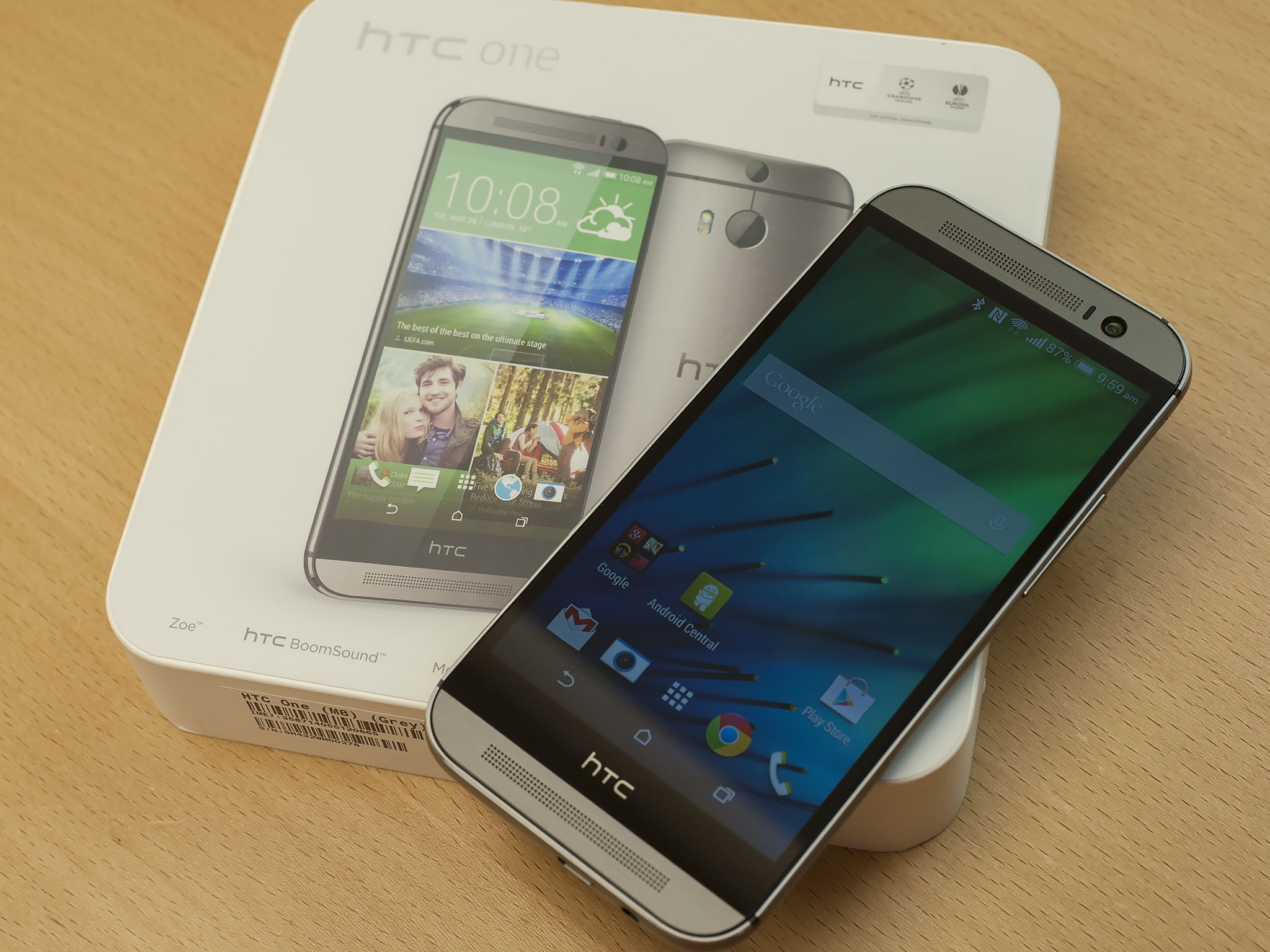
If you draw a timeline of HTC phones, put a mark when the HTC One M7 was released. Everything later will see Android L. Everything earlier probably won't. HTC has basically said as much, and it makes sense if you look at it objectively. HTC just doesn't have the resources to update earlier phones like the Rezound.

Nobody has to like it. If you bought a Rezound or one of the HTC Butterfly phones, you know you spent top-dollar on a high-end phone that didn't get the updates it should have. HTC has clearly defined policies about updates going forward, but those went into effect after you bought your phone. And of course, adding a healthy portion of Verizon into the mix doesn't help anything.

None of this changes anything, though. If you bought an HTC phone released before the HTC One M7, I'm pretty sure you won't be getting any Android L updates.

LG devices
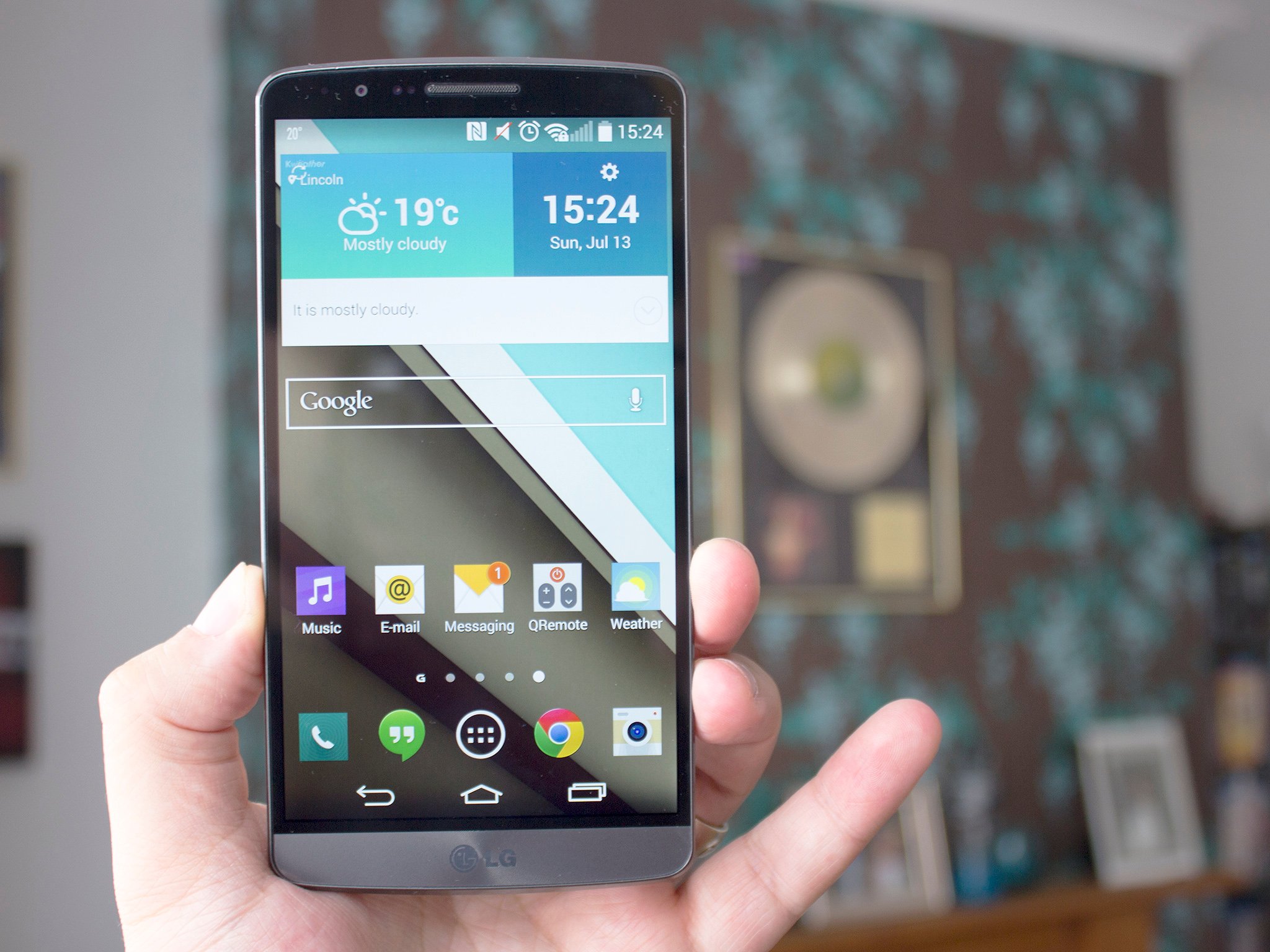
The part of me that's been burned by LG's track record of updating phones says my G2 will never see Android L. TheG3 will, but phones like the G Flex or the Optimus Pro 2 or my lovely little G2 may never see any new version of Android. LG hasn't said anything official, but that really doesn't mean too much.

But LG seems different as of late. They are making great phones, have improved their own software at least a thousand-fold, and are taking thing more seriosuly. This gives me some hope.

Since I have to make a prediction, I'll say the LG G3 and non-US versions of the G2and G Flex will see a timely update. Nothing released sooner, and nothing a little lower on the "premium" scale. Carrier versions of the G2 and G Flex are going to depend on the carrier. And that scares me.

Prove me wrong, LG. Please.

Motorola devices
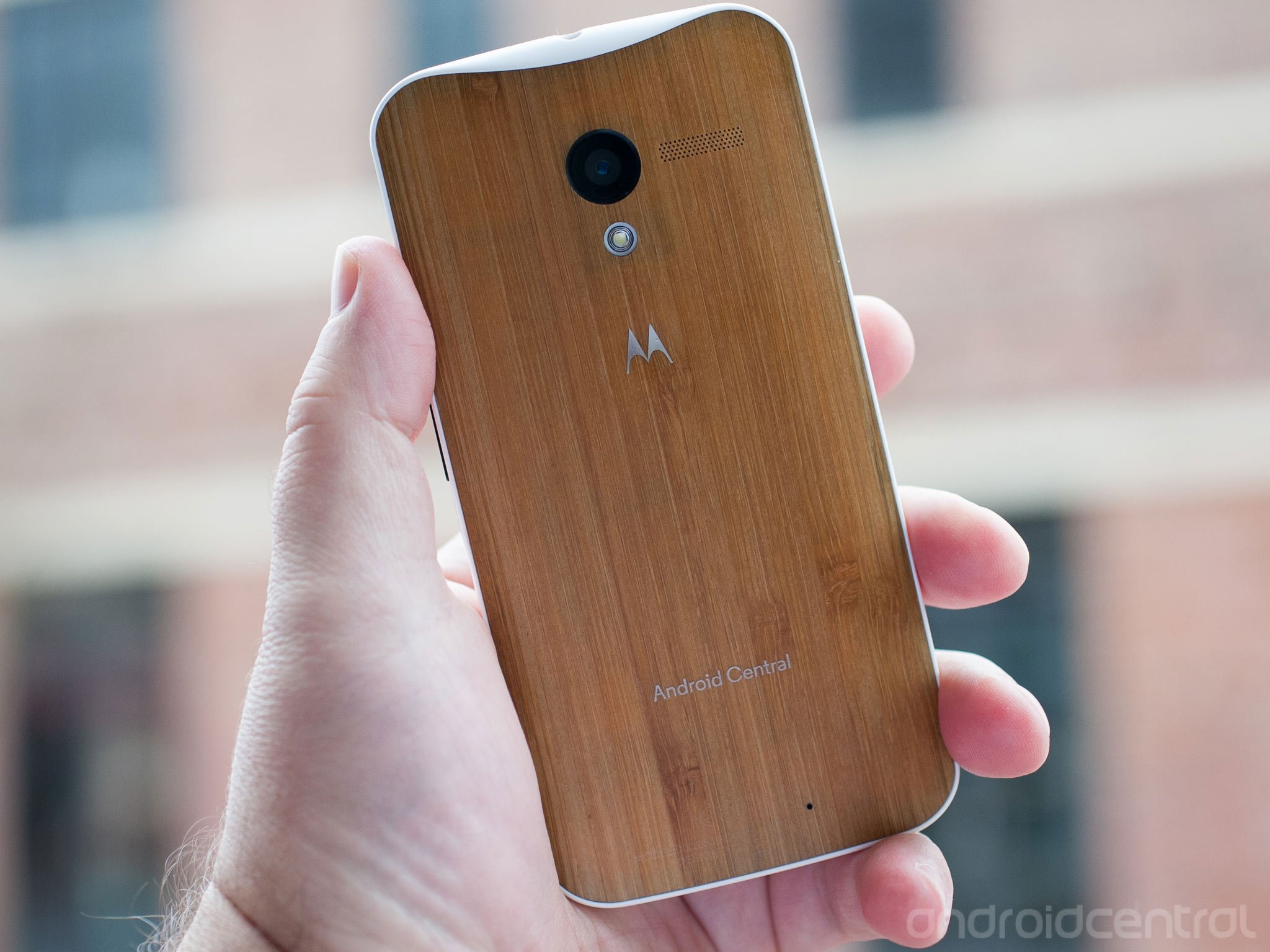
Motorola has already said the Moto X, the Moto G and the Moto E will see Android L. We expected that the new Lenovo-fied management would keep the same pace in updating phones that the Google-led team did, and they pass the first test. We're pretty sure this includes the 2013 Verizon Droids, too.

Unfortunately, nothing else built by Motorola will see any updates. Moto seemed happy to abandon their old models, even when they weren't that oldcough Droid Razr Maxx HD cough. None of those phones are going to see any updates. Motorola isn't going to spend the time or money, and neither is Verizon or AT&T or Sprint or anyone else. It's almost like there should be an Island of Misfit Phones.

Moto's been through a tough patch where they weren't making any money, and nobody seemed to want to buy their phones. I think part of their strategy to break out of that mold involves simple software that easy to update quickly. Expect to see Android L on a Moto phone very shortly after the release.

Samsung devices
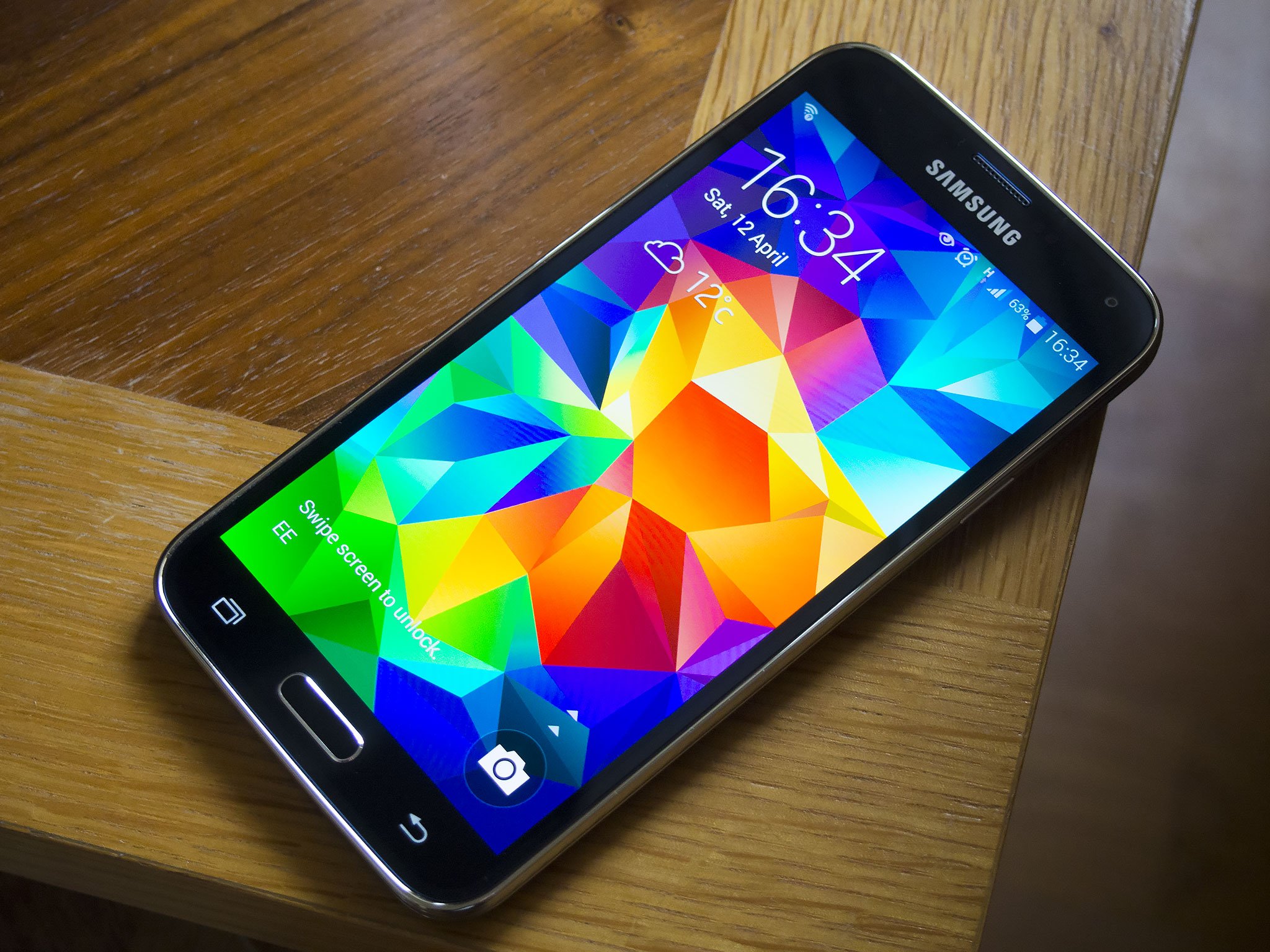
This one's easy. The Galaxy S5, andGalaxy Note 3 will get updated to Android L as fast as Samsung is able to update them. The Galaxy S4 will follow shortly after, and then Samsung is basically done. The few high-end devices that weren't sold in the west will probably see an update, but none of us have them and nobody can guess when.

Samsung's mid-range and low-end devices will sit at whatever version they are on now until they stop working. Love it or hate it, that's part of Samsung's strategy — push out a ton of new cheap devices every year to be used as "feature-phone" replacements. Maybe phones like the Moto G and E or Nokia Lumias will change this, but not this year.

More importantly is how Samsung will alter Android L to continue to offer the things people love them for offering. They weren't able to do so with KitKat and the SD card, but they will do everything they can to keep users happy and buying Samsung products. Samsung's version of Android L will be amazing if you're a Samsung fan, but it might take a couple extra updates to get it sorted, because we all want it right now instead of when it's ready. I'm looking forward to seeing what they can do and how they will work the new design language into their software.

On the tablet side, I think things are pretty clear-cut. The Galaxy Tab 4 will see Android L, as will the Pro and Tab Slines they introduced this year. Don't look for an update on anything older, and if it happens nobody will be happier than I am. Sometimes, I love being wrong.

Sony devices
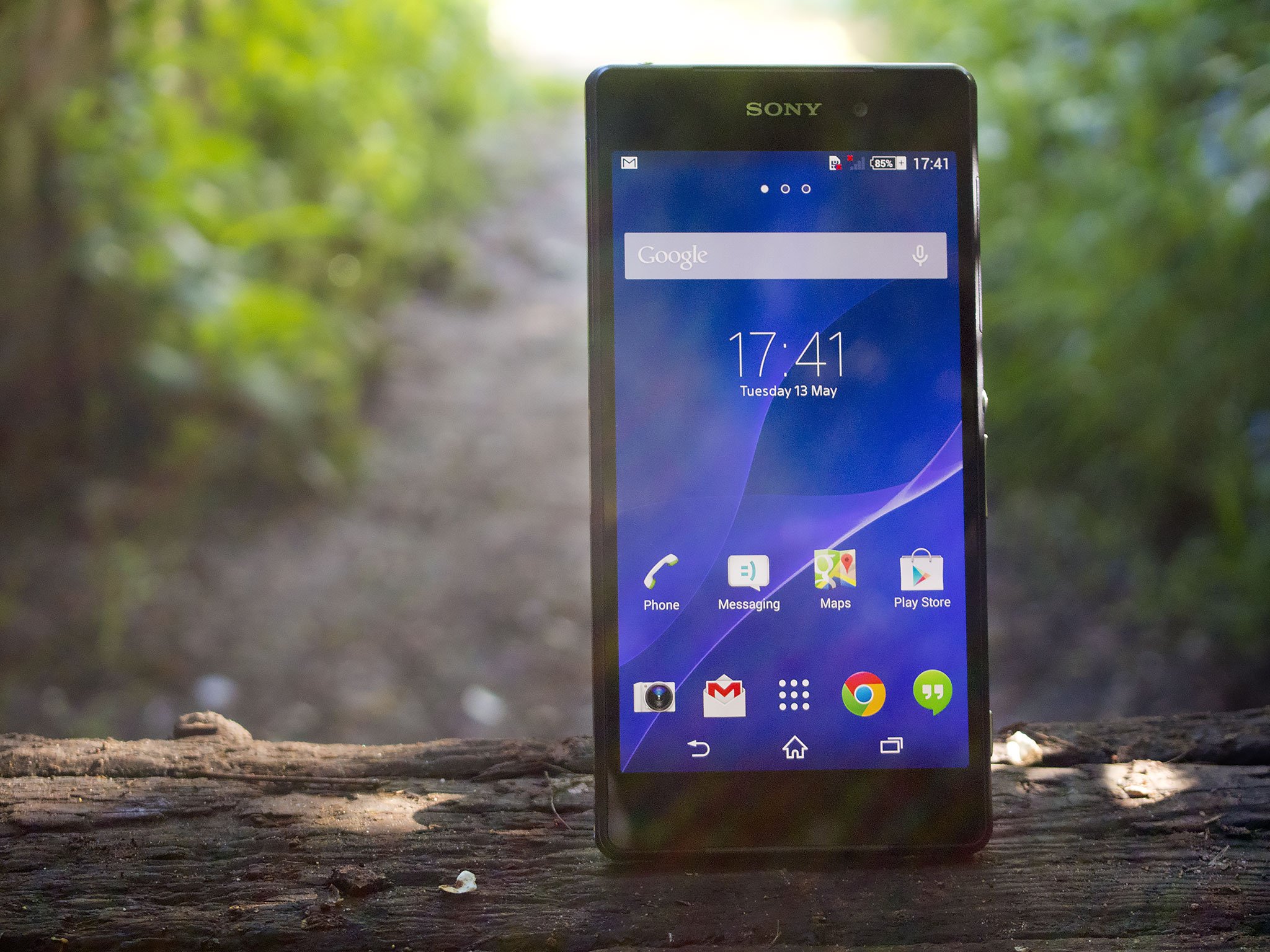
Nobody wants to update their gear to the next version of Android more than Sony does. They are big contributers to AOSP, and have a really good relation with developers. They just always seem to have one issue or another. Updating software when part of it is out of your control is hard. Sony really does try harder than anyone else, they just aren't ever very lucky.

Having said that, look for an Android L update for the Xperia Z1Xperia Z2 and the upcoming Xperia Z3. The compact versions, and carrier versions, too. Other phones are a total crapshoot. Sony will do everything they can, but as we've seen, often that's not enough. I'll repeat myself — nobody wants to update to Android L more than Sony does.

The same thing goes for their tablets. The latest models will find a way to get an Android L update, but anything made earlier than mid-2013 is too unpredictable to predict.

The best news is that Sony works well with the guys who love to do things like write kernels or try to shoehorn unofficial software onto unlocked devices. No matter which Xperia phone you have, someone is going to try their damndest to get Android L on it and share their work.

Everything else
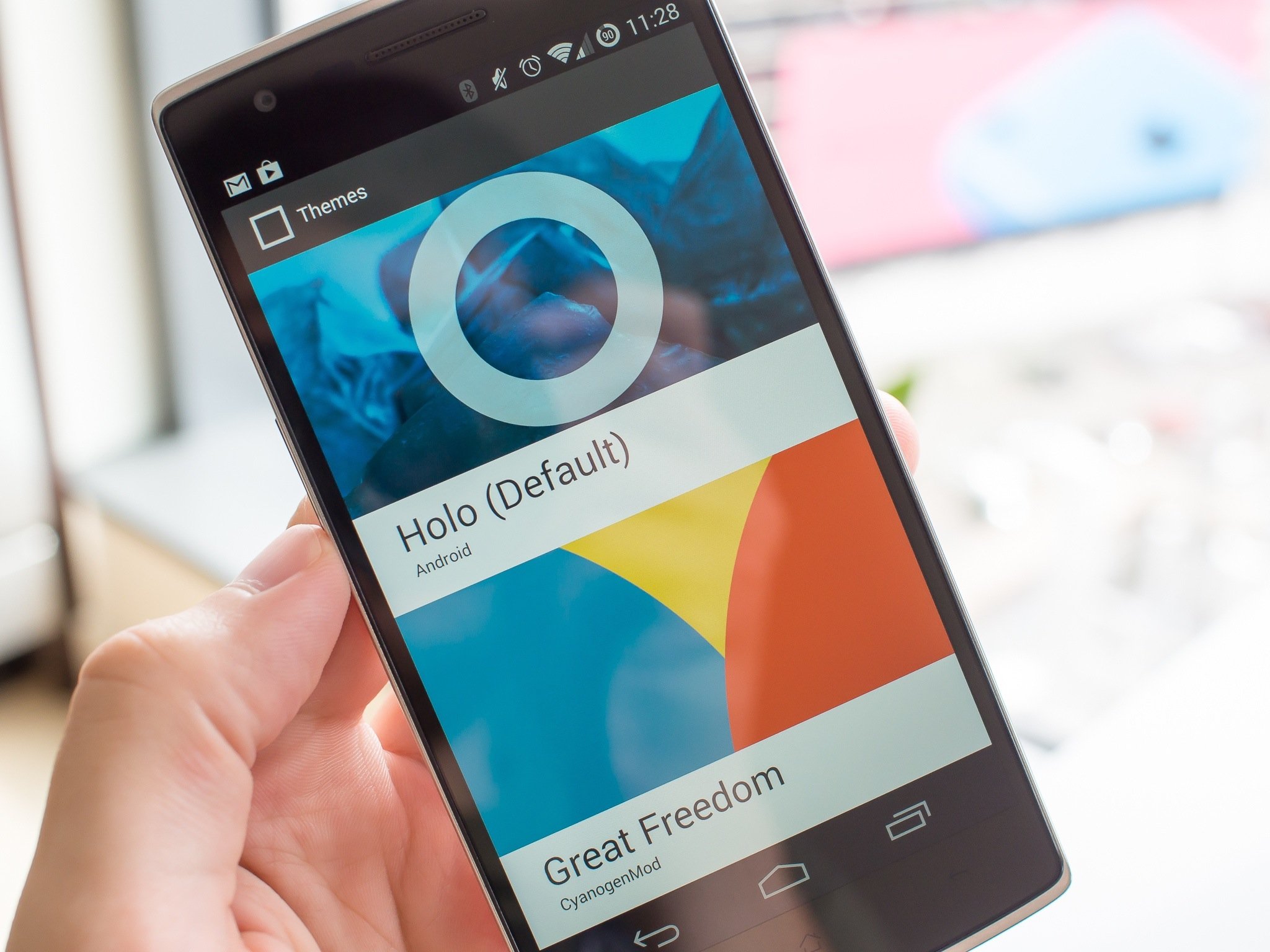
What about my Oppo Find 5?!? The truth is, we mostly have no idea. Some companies, like OnePlus, have said they will be updating to Android L in a timely fashion, others are mostly silent. You can bet these companies are all looking at what it will take to update their late-model devices to Android L, but the cost-benefit — both in time and money — has to be there. Companies like Samsung have a whole team who writes and builds software for their Android devices. I imagine they work long hours without sunlight and fresh air, and we don't appreciate the difficult job they do. ButHiSense probably doesn't have such a team. Companies like ASUS are vested in Android, but as mentioned the benefit of updating has to outweigh the cost.

If you're device was well built and popular, you can hope for an update. Some companies, like NVIDIA, can afford to work harder at it than others can. There is just no guarentee that it will happen.

Remember, your phone or tablet will still work just like it did before Android L was announced, and what Google is doing with things like Play Services and pulling apps out of the OS and into Google Play means that you don't always need a full OS update to enjoy new features.

And finally, remember this is our best educated guess about what's going to happen. We've been through this a few times, and feel we've got a good handle on how manufacturers and carriers think (or don't think) when it comes to updating devices. We wish we could say "Android L for everybody!" but we know we can't. That's not how Android works.

Xiaomi phones send user data to remote servers: F-Secure

NEW DELHI: Chinese smartphone brand, Xiaomi is creating a lot of buzz with its economically priced, premium smartphones that are known to sell out in minutes or even seconds. The company has become one of the leading handset sellers in the world displacing Samsung in its home market for the numero uno position.
However, of late there have been reports that Xiaomi phones silently send users data to remote servers. The latest charges come from security software and solutions company F-Secure, which tested Xiaomi's Redmi 1S phone.
At first, F-Secure did not configure an Mi Cloud (Xiaomi's equivalent of Apple's iCloud that stores user data) account and simply inserted a sim card, connected the phone to Wi-Fi, turned on GPS, added a contact and made and received a call and exchanged messages. The company found that the phone number of contacts added to the phone book and from SMS messages received were also forwarded. The phone follows a similar pattern even when one configures an Mi Cloud account.
"Next we connected to and logged into Mi Cloud, the iCloud-like service from Xiaomi. Then we repeated the same test steps as before. This time, the IMSI details were sent to api.account.xiaomi.com, as well as the IMEI and phone number," writes F-Secure in its blog.
Earlier, responding to privacy concerns, Xiaomi VP Hugo Barra had posted an FAQ on his Google+ page, clarifying that MIUI, the software interface used by Xiaomi phones, does not secretly upload photos and text messages. He wrote that MIUI requests public data from Xiaomi servers from time to time but it is all non-personal data that does not infringe on users privacy. The post claimed that Xiaomi does not upload users' personal data without consent and only backs it up if Mi Cloud is turned on.
However, there's a slight conflict in the company's privacy policy and Barra's post. Xiaomi clearly mentions in its Privacy Policy document, "When you use and activate Xiaomi mobile devices for the first time, the mobile user identification information, mobile device unique identification and the location information of your device will be sent to Xiaomi. The collection of such information may apply to the updates of your system or software, recovery of factory settings or situations like before."
It also clearly states, "When you use Xiaomi products to share information with your family and friends, to send messages and products or invite other person through Xiaomi BBS, we(Xiaomi) will collect the information which you provide and is relevant with such people, for example name, mail address and telephone number and so on."
This implies that Xiaomi is collecting data from users without their consent, even if they don't sign-up for Mi Cloud.
According to Xiaomi, this information helps the company to improve products, for customization, updates, and for statistical purposes 'to analyze the efficiency of its business.' It mentions that the information is not used for tracking the location of the user.

Sunday, 10 August 2014

Acer Iconia A1-830 with 7.9″ Display, Voice Calling & iPad Air Looks at Rs. 11, 299 

Acer Iconia A1-830 Android tablet is the latest addition in the Acer’s tablet family. Recently one of the famous companies had revealed that there is a downfall in the uptake of android tablets, all thanks to the ever growing list of phablets which are being purchased more than compared to the tablets. So let’s check out on what are the detailed list of specs and features of this smartphone which comes with the looks of an iPad Air along with the decent specs.

Specs and Features of Acer Iconia A1-830:
Acer Iconia A1-830 Android device comes with the 7.9 inches of screen size along with the LED IPS display powered by backlit. In terms of processor, this device comes with the 1.6 GHz dual-core Intel Atom Z2560 processor with PowerVR SGX544 GPU. Along with the 8.15mm of thickness, this device also comes with the 380gms of weight. With a 5MP of rear facing camera along with the 1080p recording capability, this device also comes with the 2MP of front facing camera. In terms of memory, this device comes with the 1GB of RAM, 16GB of internal memory which can be expanded up to 32GB. This device also comes with the other standard features like WiFi 802.11 b/g/n, Bluetooth 3.0, GPS along with the 3.5mm headset audio jack. So let’s check out on what are the detailed list of specs and features below;

7.9 inches of screen size along with LED backlit IPS Display,1.6 GHz dual-core Intel Atom Z2560 processor,PowerVR SGX544 GPU,5MP rear facing camera with 1080p recording,2MP front facing camera with 720p recording,1GB RAM,16GB internal memory,Expandable memory card slot of 32GB,WiFi 802.11 b/g/n, Bluetooth 3.0, GPS,4000mAH Battery

Price and Availability:
Acer Iconia A1-830 comes in white color option along with the Sliver black. This device comes with the price tag of Rs. 11,299 and will be available for purchase from flipkart. This device also comes with the Sennheiser HD 180 Headphone and 1year subscription of India Today digital magazine.

Thursday, 7 August 2014

Karbonn A1+ and Karbonn A5 Turbo Android Phone with Kitkat 4.4 Android OS – Details

Karbonn Mobiles have announced the launch of 2 new smartphones in its family which are dubbed as A1+ Super and A5 Turbo which are placed in the budget segment. There are the 2 entry level smartphones priced at sub Rs. 4,000 level which comes with the Value specs and features. While Google is betting on sub $100, Indian market is a market where even sub $50 smartphones matter a lot and constitute one of the largest market share. So let’s check out on what are the specs and features of this new smartphone.

Specs and Features of Karbonn A1+ Super:

Karbonn A1+ Super comes with the 3.5inches of screen size having the resolution of 320 x 480p and also come with the Dual Sim card slot. Powered with the 1.3GHz of Dual Core processor, this device also comes with the WiFi, 3.5mm headset audio jack, Bluetooth and GPS capabilities. With a 3MP front facingcamera, this device also comes with the 0.3MP of front facing camera. Packed with the 256MB RAM, this device comes with the Kitkat 4.4 Android OS and 512MB of internal memory which can be expanded up to 32GB. In terms of battery power, this device comes with the battery life of 1250mAH power. We have also summed up the detailed list of specs and features below;

3.5” Display,1.3GHz of Dual Core processor,256MB RAM,512MB internal memory, expandablememory card slot,Kitkat 4.4 Android OS,3MP front facing camera,0.3MP rear facing camera,320 x 480p Resolution,Dual Sim card slot,WiFi, 3.5mm headset audio jack, Bluetooth and GPS,1250Mah Battery

Specs and Features of Karbonn A5 Turbo:

Karbonn A5 Turbo comes too comes with the 3.5 inches of screen size along with the 1GHz of processor having the resolution of 320 x 480p. This device comes packed with 3G, WiFi, 3.5mm headset audio jack, Bluetooth and GPS capabilities. With a 3MP front facing camera, this device also comes with the 0.3MP of front facing camera. Packed with the 256MB RAM, this device comes with the Kitkat 4.4 Android OS and 256MB of internal memory which can be expanded up to 32GB. In terms of battery power, this device comes with the battery life of 1250mAH power. We have also summed up the detailed list of specs and features below;

3.5” Display,1GHz of Dual Core processor,320 x 480p Resolution,256MB RAM,512MB internal memory, expandable memory card slot,Kitkat 4.4 Android OS,3MP front facing camera,0.3MP rear facing camera,Dual Sim card slot,WiFi, 3.5mm headset audio jack, Bluetooth and GPS,1250Mah Battery

Price and Availability:

Karbonn A1+ Super and A5 Turbo android smartphone comes with the price tag of Rs. 3,490 and Rs. 3,290 respectively.

Wednesday, 6 August 2014

Report : Micromax Surpasses Samsung in Q2 2014 to become the Largest Mobile Phone Vendor

Micromax has become the largest mobile phone vendor in India surpassing many other bigger international brands. This Indian manufacturer has jumped up to first place in the latest analysis report that was carried out by CounterPointResearch. Interestingly, the latest data of the mobile landscape in India puts Micromax ahead of the South Korean giant, Samsung. Indian mobile phone market grew a modest 2% while the smartphone segment grew staggering 68%.

Going into analysis, the total mobile phone shipments in the second quadrant of 2014, Indian brands dominated the list with more than two-third of the total mobile phone shipments. Micromax gained 16.6% market share in India in second quarter this year against the 13% share in the first quarter, which eventually lead to the fall of Samsung’s market share to 14.4% in Q2 of 2014 and this might be due to the heavy pricing that it is implementing.


This is the first time that an Indian mobile vendor is leading the market share in the mobile phone market though, Samsung is still leading the smartphone shipments in India with 25.3% market share and Micromax comes second with 19.1% share. The next three spots are captured by Karbonn, Motorola and Nokia respectively and to our surprise Motorola has surpassed the brands like Nokia, Apple, and Sony to take the fourth spot with 4.3% market share in second quarter of 2014. With just a portfolio of three smartphones (Moto E, Moto G, and Moto X) in India, the iconic Motorola brand managed to sell almost a million units in just 5 months.

The competition is still tough among the likes of Karbonn, Motorola, Nokia and Sony in Indian mobile phone market. Now that Xiaomi has also entered in India with its Mi phones, the competition has heating up more. To remind you that, Xiaomi recently sold out its first batch of Mi 3 smartphones within mere 5 seconds. Also, the Chinese mobile manufacturer has plans to introduce its budget Redmi series of smartphone in India soon. There’s no doubt that smartphone market in India is going to change drastically with increasing competition in the coming days.

Micromax also leads in the current feature phone market overtaking the Nokia for the first time. Micromax market share for feature phone segment has jumped to 15.2% whereas Nokia takes second spot with 14. 7% market share. The Indian mobile phone vendor has also become the 10th largest handset brand at the global level with 2.3% market share in Q2 2014. This is the first time that an Indian mobile vendor has entered the top 10 rankings.

Twitter Delicious Facebook Digg Stumbleupon Favorites More

 
Powered by Blogger